
Ingredient Science
Oat Standing in Its Field: Why Oats Get Creamy Without Cream
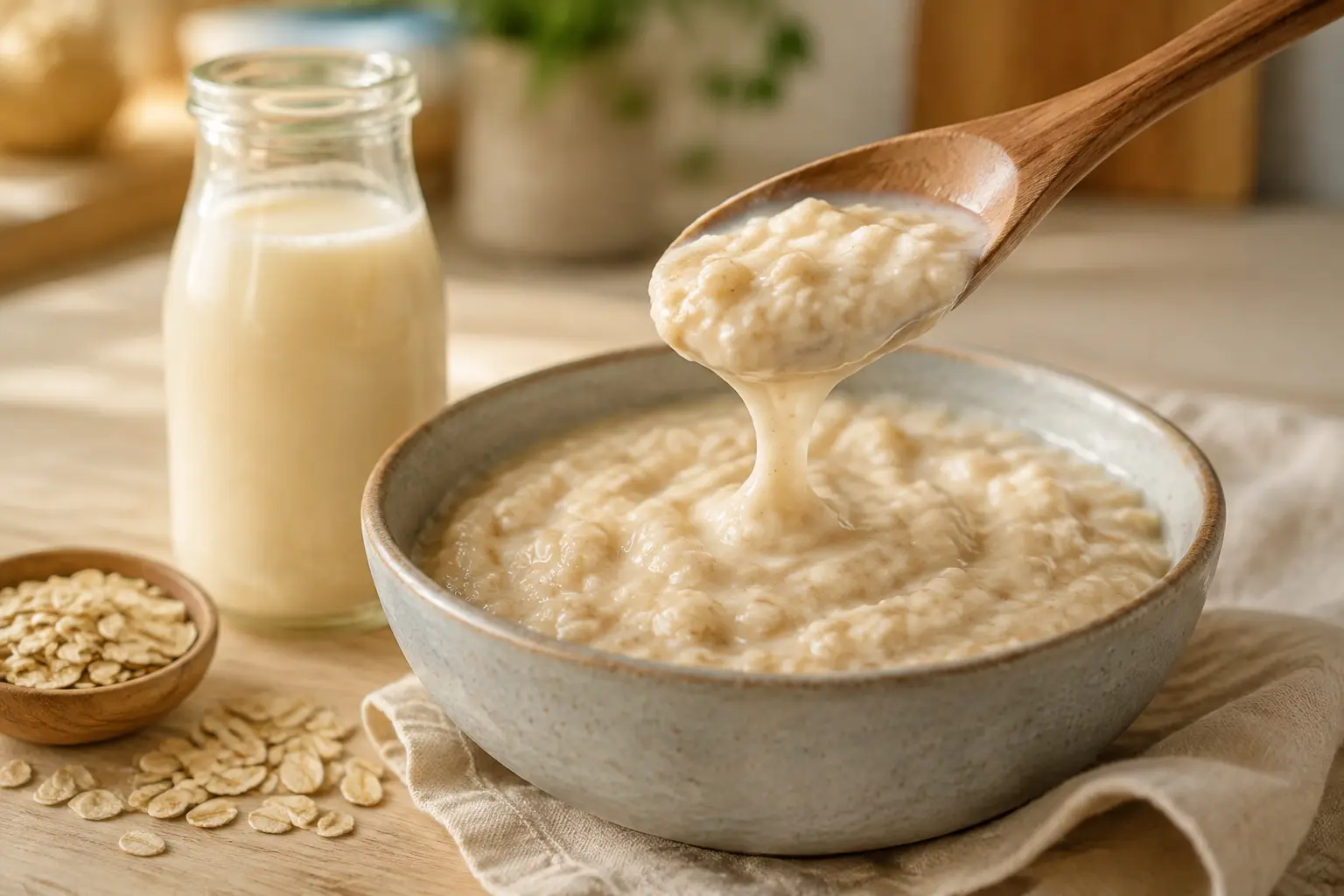
Oats arrive with their own tiny texture toolkit. Water, heat and a soluble fibre called beta-glucan help turn humble flakes into bowls, sauces and drinks with surprising body.
A spoonful of oats has a quiet party trick. Give those flakes water and a little time, and the mixture thickens. Add heat and it can become downright luxurious, even though no cream has entered the room. The texture comes from several oat components working together, with a soluble fibre called beta-glucan playing a leading role.
Beta-glucan sits in the cell walls of the oat grain. Its chain of glucose units contains a mix of chemical links that lets it interact readily with water. As beta-glucan hydrates, its long molecules slow the movement of that water, increasing viscosity. In plain kitchen language, the liquid becomes thicker. Research consistently shows that concentration and molecular size matter, so two oat products can behave differently even when both contain beta-glucan.
Beta-glucan is not doing a solo act. Oats also contain plenty of starch, plus protein and a modest amount of fat. When oats are heated in water, starch granules absorb water and gelatinize, adding more body. In a study of heated oat slurries, beta-glucan was the largest contributor to viscosity, but removing starch or protein also changed the result. Creaminess is therefore a team effort rather than one magic molecule.
Processing changes the team. A 2026 review of oat beta-glucan found that steaming, boiling, milling, extrusion and other treatments can alter its molecular size, solubility and thickening behaviour. A separate study of whole germinated oat drink found that intense particle-size reduction improved physical stability and increased apparent viscosity by breaking up plant cells and dispersing their contents more thoroughly.
That research supports a useful kitchen inference: chopping, blending, soaking and heating make more of the oat structure available to water, although a home blender is far less intense than industrial equipment. It helps explain why overnight oats thicken in the refrigerator, why a small handful of oats can make a blended soup feel plush, and why homemade oat drink can become slippery when it is blended too long or allowed to warm up.
For a creamy bowl or sauce, heat is your friend. Simmer oats gently and stir as they hydrate. For homemade oat drink, use cold water, blend briefly and strain without aggressively squeezing the pulp. For pancakes and muffins, letting an oat-based batter rest for 10 minutes gives the flour time to absorb water, so check the consistency again before cooking.
So oats are not pretending to be cream. They are using fibre, starch, protein and processing to build texture in their own very oat-standing way.