
Kitchen Troubleshooting
Bean Waiting Forever? What Actually Keeps Dried Beans Tough
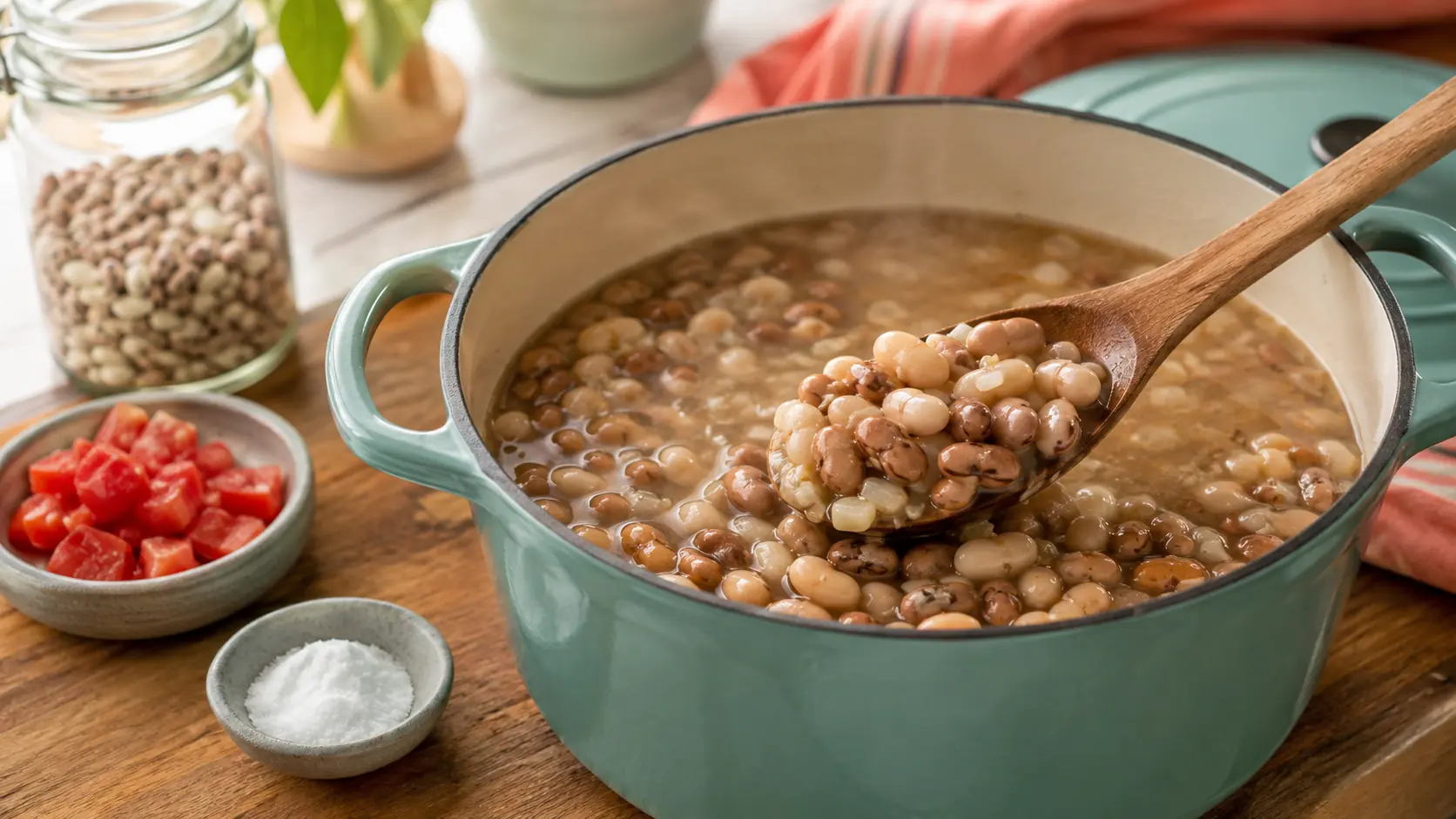
Salt gets blamed when dried beans refuse to soften, but acidity, mineral-rich water, storage and the bean itself can matter far more. Here is how to rescue the pot.
You planned a cosy pot of beans. Two hours later, the broth is fragrant and the beans are still auditioning for the role of gravel. The usual suspect is salt, but the science gives the salt shaker a much less dramatic part than kitchen folklore suggests.
A bean softens when water moves through its seed coat and its tightly packed cells begin to separate. Pectin helps hold those cells together. During cooking, some of that cell-wall structure becomes soluble, allowing the interior to turn creamy. Anything that slows hydration or keeps the pectin network firmly linked can delay the transformation.
Bean age and storage are major clues. Researchers call the stubborn version the hard-to-cook defect. Warm or humid storage can trigger changes involving pectin, calcium, magnesium and other cell components. Variety matters too. In one controlled study, different common-bean samples reached tenderness at dramatically different rates even under the same cooking conditions. A forgotten bag from the back of the cupboard may therefore need far more time than a fresher batch.
Acid is a clearer troublemaker than ordinary table salt. A study of easy- and hard-to-cook beans found that low-pH soaking solutions slowed cooking, while higher-pH treatments sped it up. Calcium chloride also made the beans firmer, which fits the idea that calcium can cross-link pectin and make neighbouring cells harder to separate. That is why tomatoes, vinegar, citrus juice and calcium-rich water can be unhelpful early in the pot.
What about sodium chloride, the salt in your shaker? The same study found no effect on cooking rate, while an earlier experiment cited by the researchers reported a shorter cooking time. In other words, the evidence does not support a simple rule that salting the water automatically dooms the beans. Salt for flavour if you like, but save strongly acidic ingredients until the beans are already tender.
Soaking is the most dependable head start. A 2022 experiment using several bean varieties and different types of cooking water found that a 12-hour soak reduced both cooking time and the percentage of split beans. Soaking is not mandatory for every bean dinner, but it is useful when timing matters or the bag has been open for a while. Drain, rinse, cover with fresh water and keep the beans at a steady simmer rather than a violent boil.
If your water is hard or the beans are exceptionally stubborn, a very small amount of baking soda can help by raising the pH and supplying sodium ions that favour softening. More is not better. A 2024 study found that carbonate and bicarbonate treatments shortened cooking, but stronger concentrations produced uneven beans with mushy outsides and firm centres. Too much can also flatten flavour and encourage broken skins.
For a pot already in trouble, stop adding acidic ingredients, top up with hot water and continue simmering. If the beans are still firm after a reasonable extra stretch, try only a tiny pinch of baking soda and check frequently. A pressure cooker can shorten the rescue, but truly old hard-to-cook beans may never become evenly creamy.
The practical order is simple: fresher beans, an optional soak, plenty of water, gentle heat, and tomatoes or lemon after tenderness. The salt shaker may stay at the table. Your beans have enough issues without being falsely seasoned with blame.