
Flavour Science
Soap Opera: Cilantro’s Famous Split Decision Gets a Molecular Close-Up
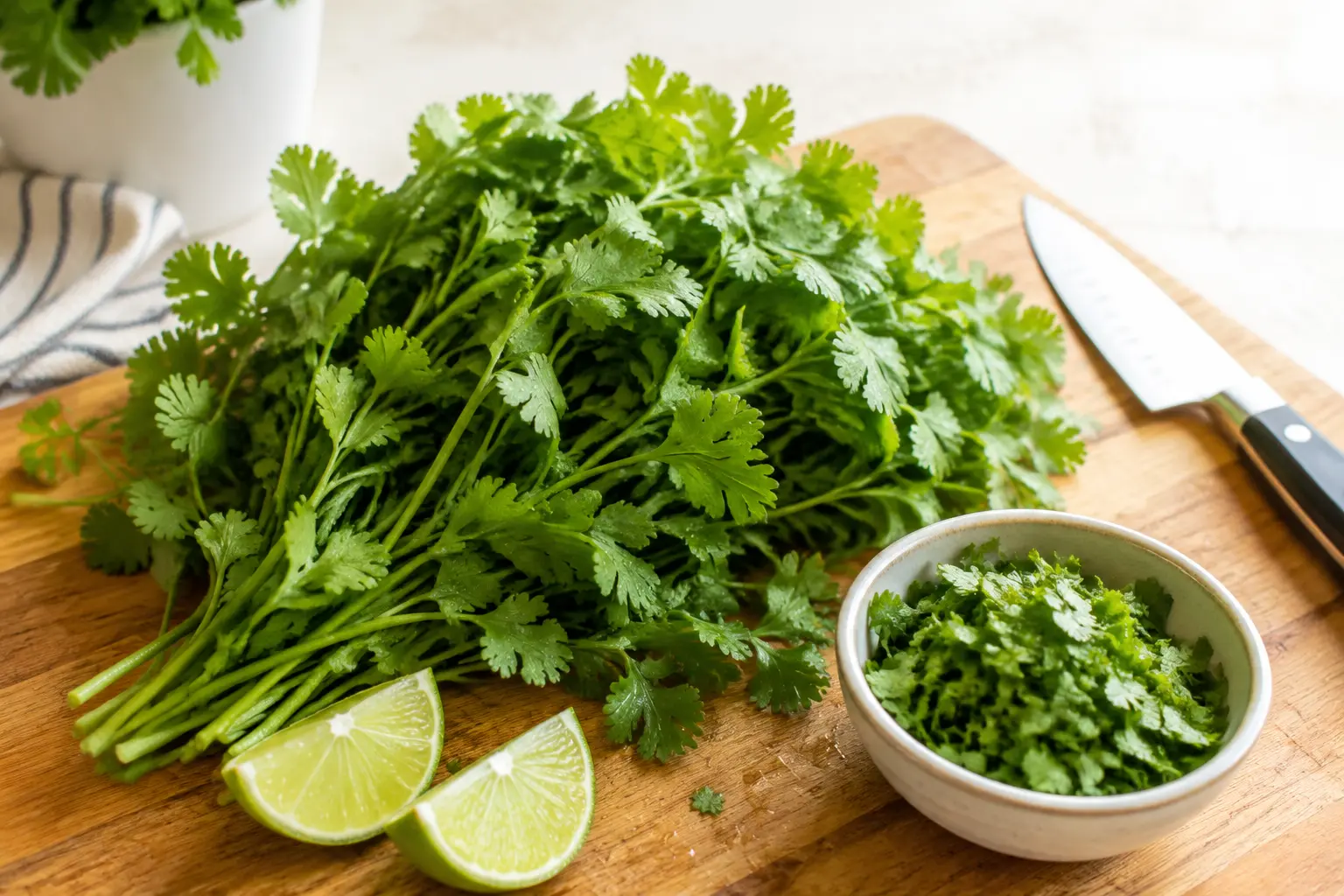
A 2026 study has revealed how an aroma receptor linked to cilantro’s soapy reputation catches aldehyde molecules—adding a new scene to one of food’s liveliest taste debates.
To one diner, fresh cilantro is bright, green and citrusy. To another, the same leaf arrives wearing a suspicious amount of imaginary dish soap. That famous divide is not just a battle of opinions: cilantro contains aromatic aldehydes, and people can differ in how their noses detect them.
The genetic clue became clearer in 2012. A genome-wide study asked 14,604 participants of European ancestry whether cilantro tasted soapy, then checked the finding in a separate group of 11,851 people who reported whether they liked the herb. One genetic variant associated with the soapy response sat near a cluster of olfactory-receptor genes. OR6A2—an aroma receptor known to respond to several cilantro aldehydes—was a compelling candidate, but the researchers carefully described it as a proposal rather than a lone, proven ‘cilantro gene.’
That caution matters. The same study estimated that the heritability captured by common genetic variants for the soapy response was low, about 0.087 in its cohort. In plain kitchen language: genes appear to influence the experience, but they do not write the entire menu. Familiarity, food traditions, individual experience and other biology may also shape preference.
Now OR6A2 has had a remarkable close-up. In a Cell paper published in 2026, researchers used cryo-electron microscopy, mass spectrometry, simulations and functional tests to study an engineered working version of the receptor bound to aldehydes. They found that an aldehyde could form a reversible chemical link—called a Schiff base—with a particular lysine in the receptor. Think of it as a temporary molecular handshake inside the aroma-detecting pocket.
The new work helps explain how this receptor recognizes certain odour molecules; it does not prove exactly why any particular person loves or loathes cilantro. The study examined receptor structure and signalling, not a dinner table full of cilantro fans and critics. That distinction keeps a fascinating mechanism from becoming an oversized claim about personal taste.
Cilantro’s chemistry also explains why its two common kitchen identities behave so differently. A 2023 review describes fresh leaves as especially rich in aldehydes, including compounds with green, waxy, citrusy and soapy aroma descriptions. Ripe coriander seed—the dried fruit of the same plant—has a different volatile profile in which linalool is often prominent. So disliking the leafy garnish does not automatically predict the same reaction to ground coriander seed.
A University of Toronto study of 1,381 young adults found that reported cilantro dislike varied from 3% to 21% across the ethnocultural groups it sampled. The authors also stressed the study’s limits: it was a young convenience sample, and it could not separate genetic influences from culture and exposure. The fairest conclusion is that the cilantro divide is real, while its recipe is complicated.
For cooks, the practical inference is wonderfully low-tech: put chopped cilantro on the table and let everyone garnish their own bowl. Flat-leaf parsley with lime zest can provide herbal brightness for a cilantro-averse guest, while coriander seed can still bring warm citrusy spice. No taste-bud tribunal required—just one small dish on the side and peace at dinner.