Food Research
Long Game, Small Study: What Four Years of Vegan Diet Data Can—and Can’t—Say
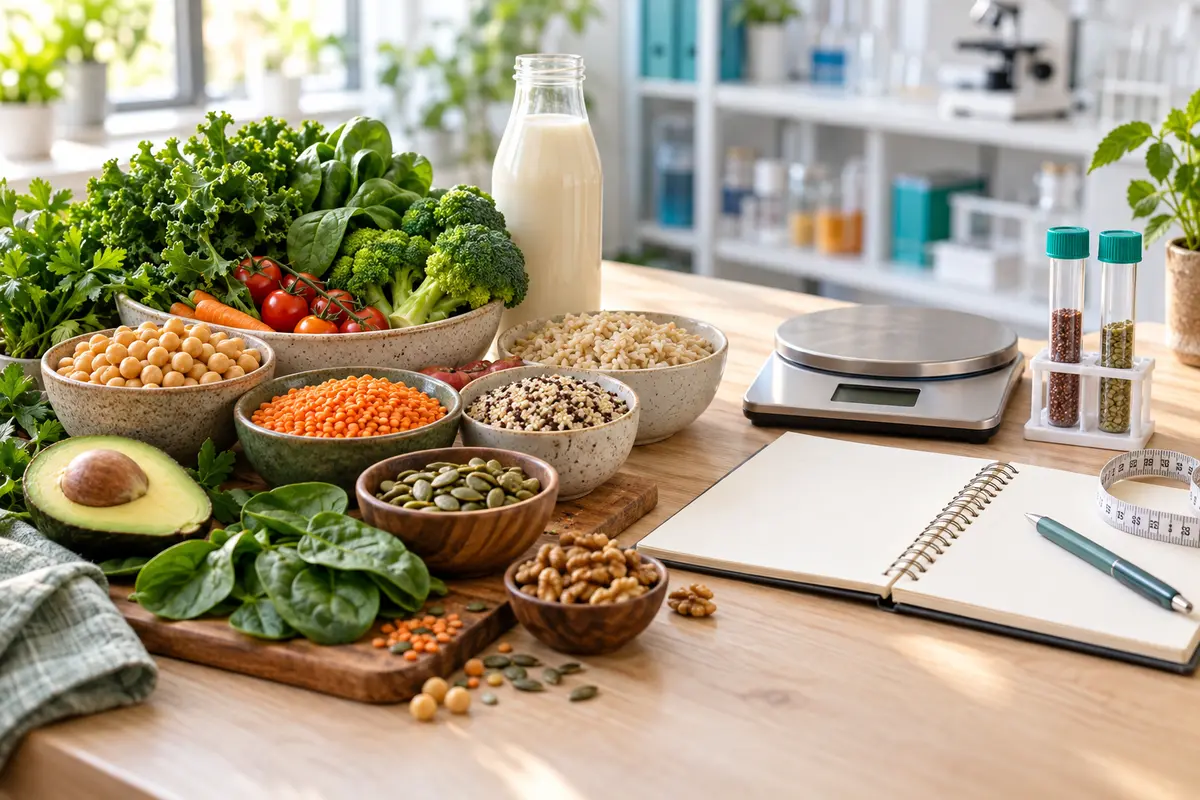
A small German follow-up checked the same vegans and omnivores twice, finding strengths, watch-points and one practical lesson: food records and blood markers answer different questions.
A new paper has added something unusually useful to vegan nutrition research: a second look at the same people. The German Risks and Benefits of a Vegan Diet study examined participants in 2017 and again in 2021. The follow-up included 24 vegans and 26 omnivores who were 30 to 60 years old at the start; by 2021, the vegan participants had followed their diet for roughly 6 to 23 years.
This was no quick online questionnaire. Researchers used three-day weighed food records, interviews that included supplement packages, fasting blood samples, 24-hour urine collections and physical examinations. That combination matters because a food record estimates what went in, while a biomarker can offer a separate clue about what was circulating or being excreted. Neither measurement answers every nutrition question on its own.
Several dietary patterns stayed visible at both visits. The vegan group reported more fibre and less saturated fat despite similar energy intake. In 2021, the group also reported lower total protein and fat intake, and at both time points lower intake of essential amino acids and the long-chain omega-3 fats EPA and DHA. Those intake differences should not be confused automatically with deficiency; the study also measured nutrient status directly.
Vitamin B12 is the clearest example of why that distinction matters. In 2021, 87.5% of the vegan participants reported using B12 supplements. The researchers found no group difference in B12 status at either visit, and none of the participants met the study’s combined-marker definition of B12 deficiency. That does not make B12 a worry-free nutrient: it shows what the results looked like in a small group where supplementation was common.
The wider nutrient picture was mixed rather than dramatic. In 2021, the vegans had higher blood folate and vitamin D concentrations, while serum zinc and selenium were consistently lower than in the omnivore group. Urinary calcium excretion was lower among vegans in 2021. Total and LDL cholesterol and HbA1c were also lower in the vegan group at both time points. These are group comparisons, not proof that the diet caused any individual result.
The guardrails are important. Only 50 of the original 72 participants completed the follow-up, the groups were small and self-selected, and the researchers did not randomly assign diets. The original enrolment also excluded people with a body mass index of 30 or higher and several serious conditions, including diabetes. The paper is therefore a detailed snapshot of this cohort—not a universal scorecard for every vegan or omnivore.
For a Canadian kitchen, the practical takeaway is pleasantly unglamorous: variety, fortified foods and deliberate nutrient planning still matter. Health Canada advises people eating only plant-based foods to include foods or beverages fortified with vitamin B12, and notes that iron and zinc need extra attention because plant sources are less bioavailable. Those are general recommendations, not personalized medical advice.
Bigger answers will take bigger studies. The German Federal Institute for Risk Assessment is now part of COPLANT, a plant-based-diet cohort aiming to recruit about 6,000 adults by the end of 2027, with a dedicated pregnancy and breastfeeding module also under way. Until those longer and broader data arrive, this four-year follow-up is most useful as careful evidence in progress: specific enough to guide better questions, but far too small to declare a dietary winner.
Sources
- https://www.nature.com/articles/s41598-026-72290-8
- https://www.bfr.bund.de/en/about-us/bfr-structure/department-food-and-feed-safety-in-the-food-chain/human-study-centre-consumer-health-protection/
- https://www.canada.ca/en/health-canada/services/food-guide/explore/dietary-guidelines/applying/considerations-vegetarian-diets.html
- https://www.bfr.bund.de/en/press-release/nutrition-research-coplant-study-welcomes-200-pregnant-women-in-berlin-and-jena/
You may also like these