Flavour Science
Sweet Smell of Success: Why Aroma Can Nudge Sweetness
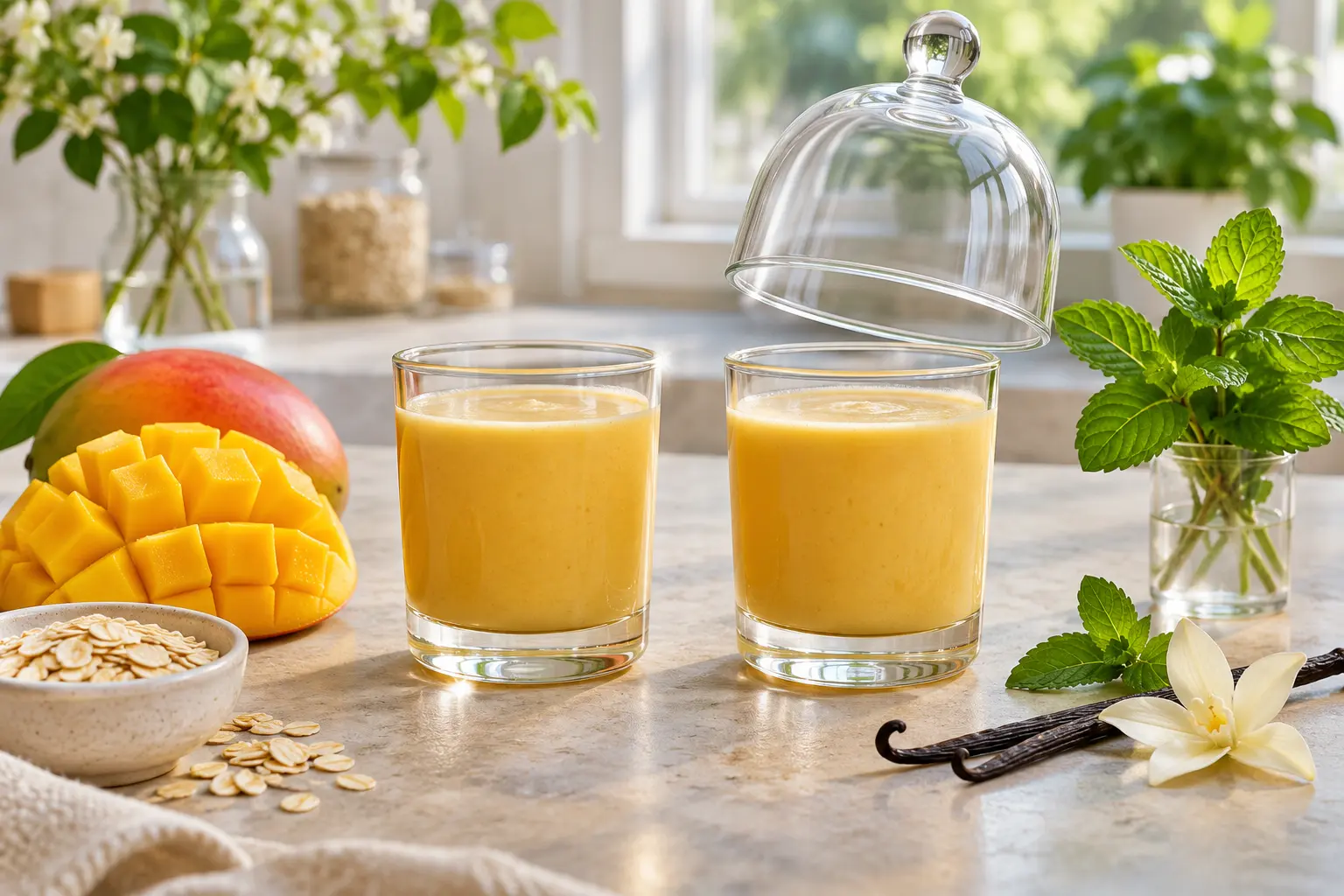
Vanilla and mango aromas can make the same sugar level seem a little sweeter, but the effect depends on the flavour match, the food and the person tasting it.
Try a small thought experiment with two identical glasses of a lightly sweet mango drink. The sugar level is the same in both. One arrives with an aroma that belongs naturally beside sweetness; the other does not. Could your nose make the first glass seem sweeter before the recipe changes at all? Sensory researchers have a name for that possibility: odour-induced sweetness enhancement.
Sweet taste begins when molecules in food activate receptors in the mouth. Flavour, however, is a larger construction. Aroma can reach the nose from the room as you sniff—called the orthonasal route—or travel upward from the mouth as you eat and drink—the retronasal route. The brain combines those signals with taste, texture, temperature and context into one eating experience.
A 2001 experiment separated the nose from the recipe rather neatly. Researchers presented vanilla odour to participants while they tasted aspartame solutions, but kept the odour out of the liquid itself. Sweetness ratings increased whether the vanilla reached the nose from the front or from behind the mouth. Because the odour did not need to touch the tongue, the result supported a perceptual interaction between smell and taste rather than a hidden sweet ingredient.
The effect is not a universal volume knob. In a 2020 study, a trained panel evaluated five aromas across three sucrose levels. Vanilla, honey and banana aromas produced higher sweetness ratings than elderflower or raspberry in one evaluation method, while a second method found a smaller and more selective pattern. The enhancement was also stronger at the lower two sugar concentrations than at the highest one. How researchers ask the question can change the size of the answer.
A newer beverage study published in 2024 made the importance of flavour matching especially clear. Mango aroma increased perceived sweetness in a low-sugar drink, while garlic aroma at the same tested level did not. The drink did not gain more sugar; the aroma supplied a cue that participants already connected with sweet fruit. The garlic cue did not carry the same expectation.
That learned connection has older experimental support. In a study of 20 odours, the best predictor of an aroma’s effect was how sweet the aroma smelled on its own. Caramel aroma enhanced the sweetness of sucrose and reduced the apparent sourness of citric acid. The researchers interpreted the pattern as evidence that repeated pairings—such as caramel with sugar—teach an aroma to borrow some taste-like meaning.
This does not make vanilla, mango or caramel a dependable sugar substitute. Results vary with aroma identity and concentration, the food matrix, the amount and kind of sweetener, the evaluation method and individual experience. An aroma can shift a rating without adding sugar, but it cannot make two recipes nutritionally identical or guarantee that every diner will taste the same change.
For a cook, the modest takeaway is that aroma deserves a place beside sweetness on the flavour checklist. Ripe fruit, citrus zest, warm spice or vanilla may change how a dessert or drink is experienced even when the sweetener stays put. Change one variable at a time, taste at serving temperature and let your nose have its vote. Flavour is a team sport, and sweetness does not always play alone.
Sources
You may also like these