
Food Waste Know-How
Shelf Control: Give Your Fridge an Eat-Me-First Zone
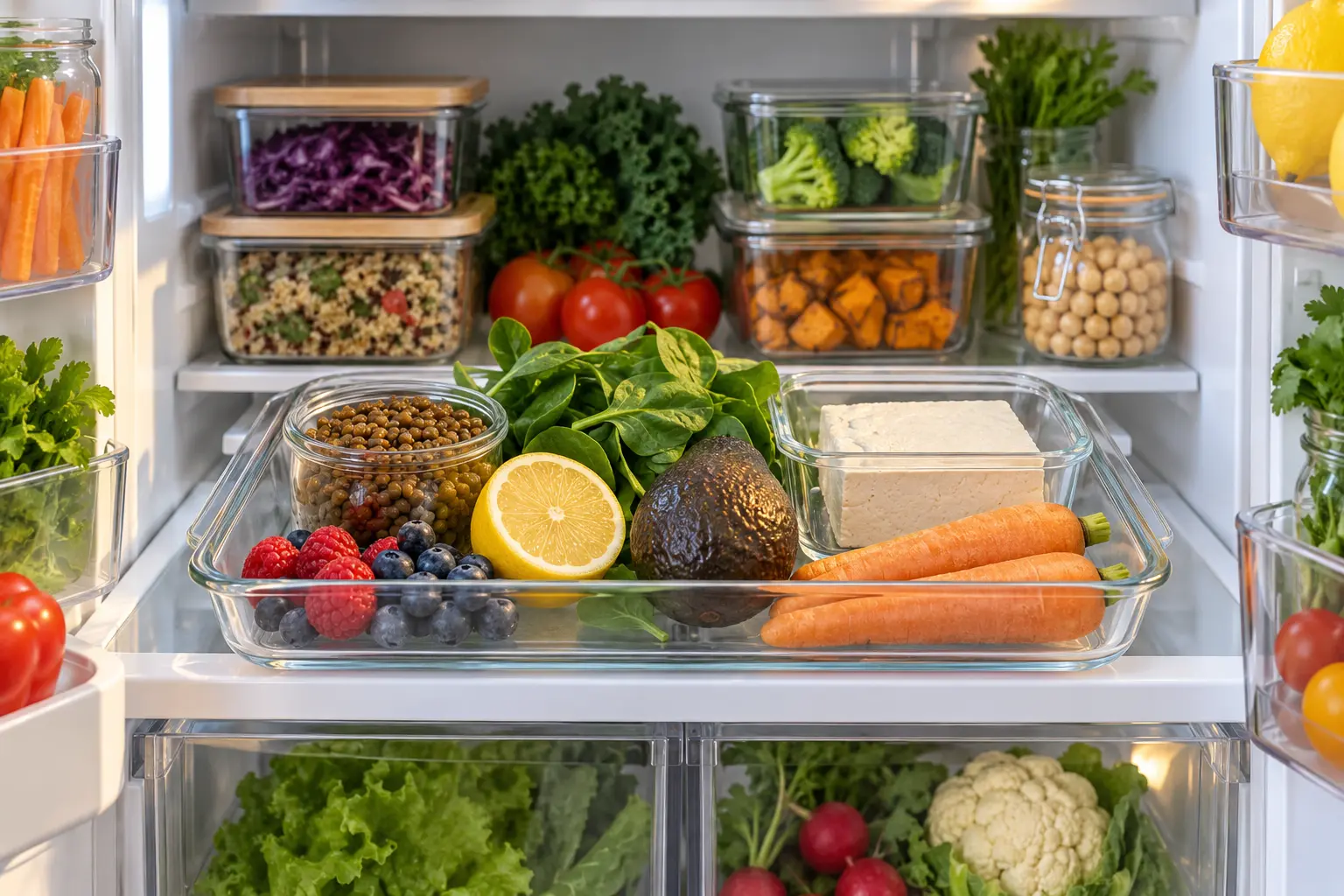
A clear container at eye level can turn forgotten produce and leftovers into tomorrow’s lunch. Here is a friendly ten-minute fridge reset built around visibility, not perfection.
Open the fridge for oat milk and you may discover half a lemon behind the pickles, a container of lentils under the lettuce and spinach quietly losing confidence in the crisper. The problem is not always a lack of good intentions. Sometimes dinner simply cannot use food it cannot see.
The scale behind those small discoveries is surprisingly large. The United Nations Environment Programme reported in March 2026 that households account for about 60 percent of measured food waste worldwide. Love Food Hate Waste Canada estimates that 63 percent of the food Canadians throw away could have been eaten, with vegetables, fruit and leftovers among the largest categories by weight.
Here is a tiny response you can test rather than a complete lifestyle renovation: create one eat-me-first zone. Find a clear, shallow container or designate the front corner of an eye-level shelf. This is not long-term storage. It is a visible landing place for safe food that should shape the next meal or snack.
Set a ten-minute timer and scan the fridge from top to bottom. Look for cooked leftovers, opened jars, cut produce, soft fruit and vegetables that are still usable but unlikely to win another week. Move only a manageable handful into the zone. Anything spoiled or stored unsafely belongs out, not in a rescue project.
Then give each item a likely next job. Cooked lentils can anchor a grain bowl. Spinach can disappear into pasta sauce. A soft apple can become oatmeal topping, while herbs can brighten a soup or be chopped into a quick green sauce. The goal is not a heroic recipe that uses everything at once. It is to make tomorrow’s easiest choice begin with food already waiting.
Use first-in, first-out placement elsewhere in the fridge too. Put newer containers behind older ones and keep frequently forgotten foods where a door-opening glance can catch them. UNEP’s current household guidance recommends checking the fridge before shopping and using a first-in, first-out system for perishables. Visibility is doing the practical work here.
Date labels need a calm reading. The Canadian Food Inspection Agency says a best-before date describes the quality of an unopened food, not a safety guarantee before or after that date. Once a package is opened, its shelf life can change. Expiration dates are different and appear on a limited set of products. Proper storage still matters because some harmful microorganisms do not announce themselves through smell or appearance.
Repeat the ten-minute scan once or twice a week, ideally before making a grocery list. For one week, jot down only what leaves the zone by being eaten, frozen or composted. That small count is not a scientific waste audit, but it can reveal patterns. If herbs always arrive there, buy a smaller bunch, freeze portions or plan their second use when they enter the fridge.
An eat-me-first zone will not solve every cause of food waste, and it cannot make questionable food safe. What it can do is turn a hidden inventory into a visible invitation. In a fridge full of competing plans, the front shelf gets the casting vote.
Sources
- https://www.unep.org/news-and-stories/story/seven-ways-cut-your-food-waste-and-support-planet
- https://www.unep.org/resources/publication/food-waste-index-report-2024
- https://lovefoodhatewaste.ca/about/food-waste/
- https://lovefoodhatewaste.ca/blogs/renewing-your-commitment-to-prevent-food-waste/
- https://inspection.canada.ca/en/food-labels/labelling/consumers/date-labels-food