Taste Learning
Second Bite Club: How Familiarity Can Change a Food’s Reception
A first bite is not always a final verdict. Research suggests that small, pressure-free repeat tastings can make an unfamiliar food feel more familiar and sometimes more enjoyable.
The first meeting between you and a fava bean can be awkward. The flavour is unfamiliar, the texture needs decoding, and your brain has no useful memory labelled ‘this is what comes next.’ Dislike can be real, but it is not always permanent. Sometimes a food gets a better reception after it stops being a stranger.
Researchers call one version of this effect repeated or mere exposure. The basic idea is refreshingly plain: taste the same food on several occasions without requiring it to become a favourite. Familiarity can reduce uncertainty, and a person may begin to notice details that were hidden behind the first blunt impression of ‘new.’ The research can measure changes in liking more confidently than it can assign every change to one single mental mechanism.
A 2026 study tested the idea with 70 Danish adults during a three-week at-home meal intervention using fava beans. Participants encountered 12 fava-bean test foods under one of three learning strategies. The group assigned to mere exposure showed a significant increase in preference, including higher liking for the beans’ appearance and flavour. The flavour-pairing and flavour-nutrient groups did not show the same increase in that study.
That result is encouraging, but it is one modest adult sample, not a promise that twelve bites will rewrite every opinion. A broader 2018 systematic review and meta-analysis examined 43 articles containing 117 comparisons, largely involving vegetables. Repeated exposure increased liking and intake compared with no exposure, but the average effects were small, evidence for long-term benefits was limited, and study design and reporting problems reduced certainty.
Age matters too. Much of the strongest evidence comes from infants and young children learning foods for the first time. A recent U.S. government evidence review concluded that repeated taste exposure is likely to improve acceptance of an exposed vegetable in early childhood. That finding should not be stretched into a universal adult rule, but it does help explain why a single rejected spoonful is a poor final exam.
Bitterness does not necessarily vanish with practice. In an adult experiment, participants drank the same commercially available bittersweet beverage once daily for seven days. Their liking increased after exposure, while health information did not produce the same perceptual change. Context affected the results, which is a useful warning against turning ‘it is good for you’ into a substitute for a pleasant tasting experience.
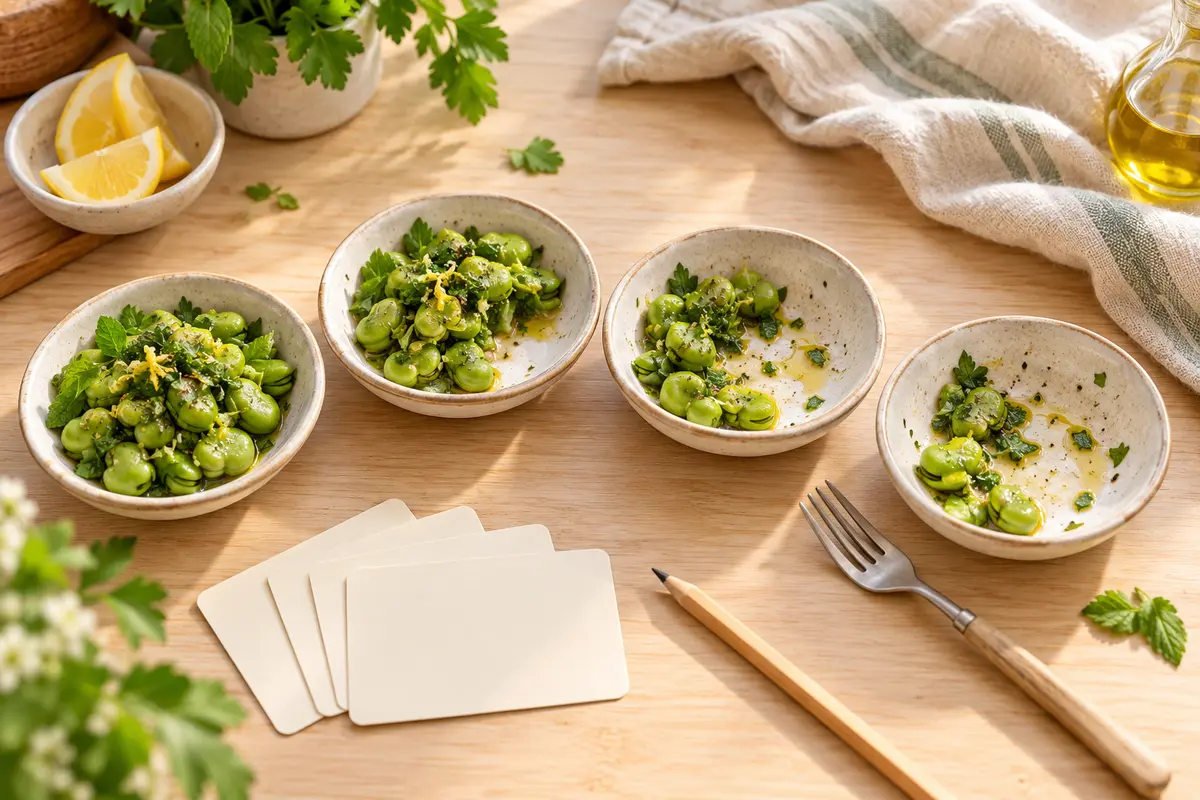
A low-stakes kitchen version needs no lecture and no heroic portion. Choose one food you are curious about, prepare it the same simple way, and serve one or two bites alongside an ordinary meal. Try it again on several different days. Keep the portion small enough that tasting feels like information, not homework, and stop if the food creates a genuine allergy concern or strong physical reaction.
Keep the first experiment steady. If the food is roasted one day, blended into a spicy dip the next and hidden in a sweet sauce after that, you are testing several dishes at once. Once the plain version becomes familiar, then change one useful variable such as browning, seasoning or texture. You may discover that the ingredient was never the problem; the preparation was.
It also helps to record more than thumbs up or thumbs down. Use three quick words after each taste: perhaps earthy, creamy and mild, or bitter, grassy and firm. Specific descriptions turn a verdict into observations. Even if liking never rises, you learn what bothered you and can choose a better substitute without declaring the food objectively bad.
Repeated exposure is not a kitchen commandment. People differ in sensory sensitivity, memories, culture and simple preference, and nobody earns points for forcing down dinner. Its useful promise is smaller and kinder: a first bite can remain a first draft. Sometimes the second bite has edits.
Sources
You may also like these