
Ingredient Spotlight
Nooch Ado About Something: Why Nutritional Yeast Tastes So Cheesy
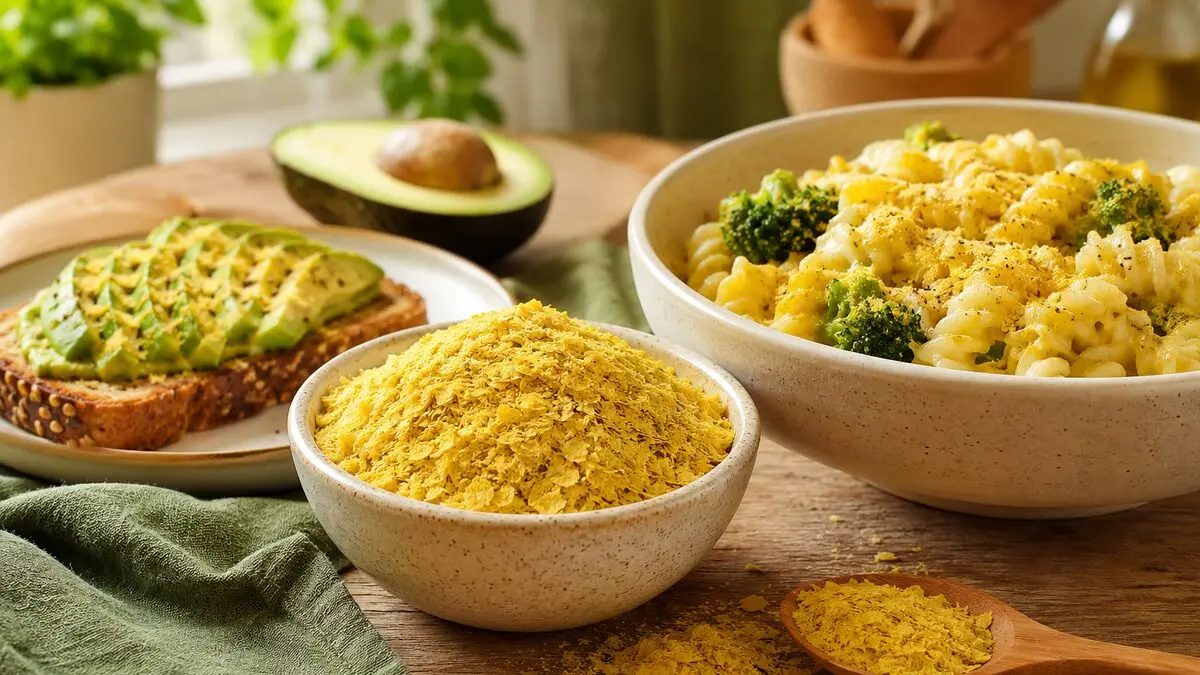
Those golden flakes are not cheese, and they are not trying to make bread rise. Here is why nutritional yeast brings such big savoury flavour to vegan cooking.
Nutritional yeast has one of the least glamorous names in the pantry and one of the most enthusiastic fan clubs. Affectionately called nooch, these golden flakes can make popcorn, pasta, soups and sauces taste deeper, toastier and surprisingly cheese-like. The secret is not imitation dairy. It is food chemistry.
Most nutritional yeast is made from Saccharomyces cerevisiae, the same broad yeast species associated with baking and brewing. But nutritional yeast is produced for a different job. According to a USDA technical report, it is deactivated before it is eaten, so it will not bubble up your dinner or make dough rise. Think seasoning, not science experiment.
Why does it taste so savoury? Yeast naturally contains glutamate, an amino acid associated with umami, the fifth basic taste. Food-science reviews describe yeast-derived ingredients as sources of free amino acids, small peptides and nucleotides that contribute savoury depth. That helps explain why a spoonful of nooch can make a simple plant-based sauce taste as though it has been simmering much longer.
The cheese comparison comes from the overall combination of nutty, roasted and umami notes. Nutritional yeast is not chemically identical to cheese and will not melt like it, but it can supply some of the savoury cues people expect from Parmesan-style toppings or cheese sauces. Blend it with cashews, white beans, tofu or a little plant milk and it becomes especially useful in creamy recipes.
Nutritional labels deserve a quick look. Some nutritional yeast is fortified with added B vitamins, while other products rely only on naturally occurring nutrients. That means vitamin B12 and other amounts can vary substantially between brands. If you buy it for a particular nutrient, check the package rather than assuming every yellow flake is nutritionally identical.
For an easy first experiment, sprinkle nooch over hot popcorn with a tiny mist of oil so it sticks. Stir it into mashed potatoes, fold it into breadcrumbs, or whisk it into soup just before serving. It also plays well with garlic, lemon, mustard and miso. Start with a tablespoon, taste, and add more if your dinner asks nicely.
One final bit of kitchen honesty: nooch is useful, not magical. It adds savoury flavour and can contribute nutrients, but it does not automatically turn every dish into a balanced meal. Use it because it tastes good, read the label when nutrition matters, and enjoy the fact that one rather awkwardly named ingredient can do a remarkably convincing cheese impression.