
Food Psychology
Name That Yum: Why Flavour-First Menu Words Matter
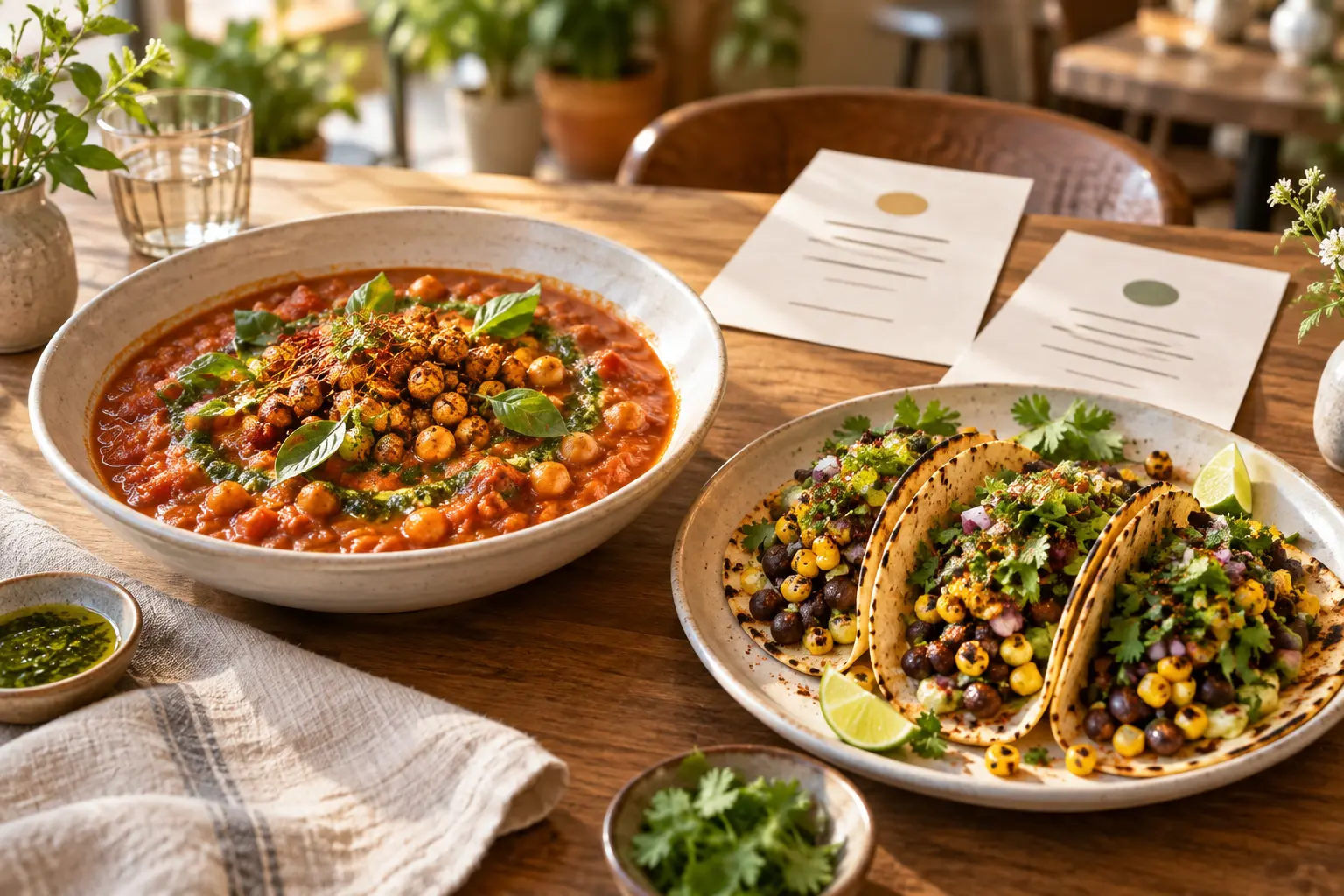
A dish name can do more than identify dinner. Research suggests that concrete words about flavour, texture and cooking can help plant-based food sound as inviting as it tastes.
Imagine two trays holding the same vegetables. One card says “mixed vegetable side.” The other says “slow-roasted squash with toasted garlic and rosemary.” Nothing on the plate has changed, yet the second description gives your imagination much more to chew on. Before a fork moves, words can create expectations about aroma, texture, warmth and pleasure.
This is not a magic-word trick, and it does not mean every diner reacts alike. A name is one signal among price, hunger, appearance, familiarity and past experience. Still, researchers have been testing whether the language around plant-rich food can make a measurable difference in real dining settings, not just in a survey box.
A 2022 quasi-experimental study rotated basic and more appealing names for plant-rich dishes through workplace cafeterias in Chicago, Sydney, São Paulo and Singapore. The revised names highlighted ingredients, origin, flavour or the eating experience. Across the study, the appealing-name condition was associated with a seven percent increase in the actual grams of the featured food taken per plate. The larger normalized change appeared only in the English-speaking locations, an important reminder that language and culture travel together.
Labels can have a different effect from descriptions. In 2023, researchers ran two field studies and an online experiment with U.S. consumers. Menu items were less likely to be selected when “vegan” or “vegetarian” appeared in their titles. The study did not find that removing those title labels caused vegetarian or vegan participants to choose meat items more often. That result concerns the particular menus and populations tested; it is not proof that the words are always unhelpful.
Newer research makes the picture more interesting. A 2026 study used two simulated-supermarket experiments with representative Dutch samples. When labels marked most or all plant-based products, participants perceived those foods as more available and more normal. In the second experiment, broad plant-based labelling increased perceived availability, social norms and intention to choose plant-based products. A different label placed on products containing animal-derived ingredients increased actual plant-based choices in that simulation.
These findings are not really at war. A single “vegan” tag attached to one special item may behave differently from a system in which plant-based choices are numerous and consistently identified. That interpretation is an inference from separate studies, not a universal law. The practical lesson is simply that the title, description, label and menu layout each do a different job.
For a restaurant menu, dinner invitation or potluck card, let the title lead with the food experience. A useful formula is cooking method plus sensory detail plus the main ingredient: “charred corn tacos with smoky lime beans,” “crisp sesame cauliflower with ginger glaze,” or “silky tomato-lentil soup with basil oil.” Concrete language helps a guest picture the first bite without promising anything the cook cannot deliver.
Clarity still matters. A small vegan marker, dietary key or separate note can identify the dish without making the dietary category carry the whole sales pitch. Allergens and ingredients should never be hidden behind appetizing language. “Creamy” may describe texture beautifully, but a guest who needs to know whether the creaminess comes from cashews, oats or blended white beans still deserves a direct answer.
The research also leaves room for humility. The studies took place in particular countries, cafeterias, event forms and simulated stores. A wording change that works in one language or dining room may land differently elsewhere. Test names honestly, watch what guests actually choose and keep the dish delicious enough to earn its adjectives.
So yes, names matter, but they work best when they point toward a real pleasure already waiting on the plate. “Vegan stew” is accurate. “Slow-simmered tomato, chickpea and saffron stew” is accurate too, and it has already set the table in your imagination. Dinner did not change. Its introduction finally caught up.