Sensory Science
Chill Factor: Why Sorbet Base Changes Its Tune in the Freezer
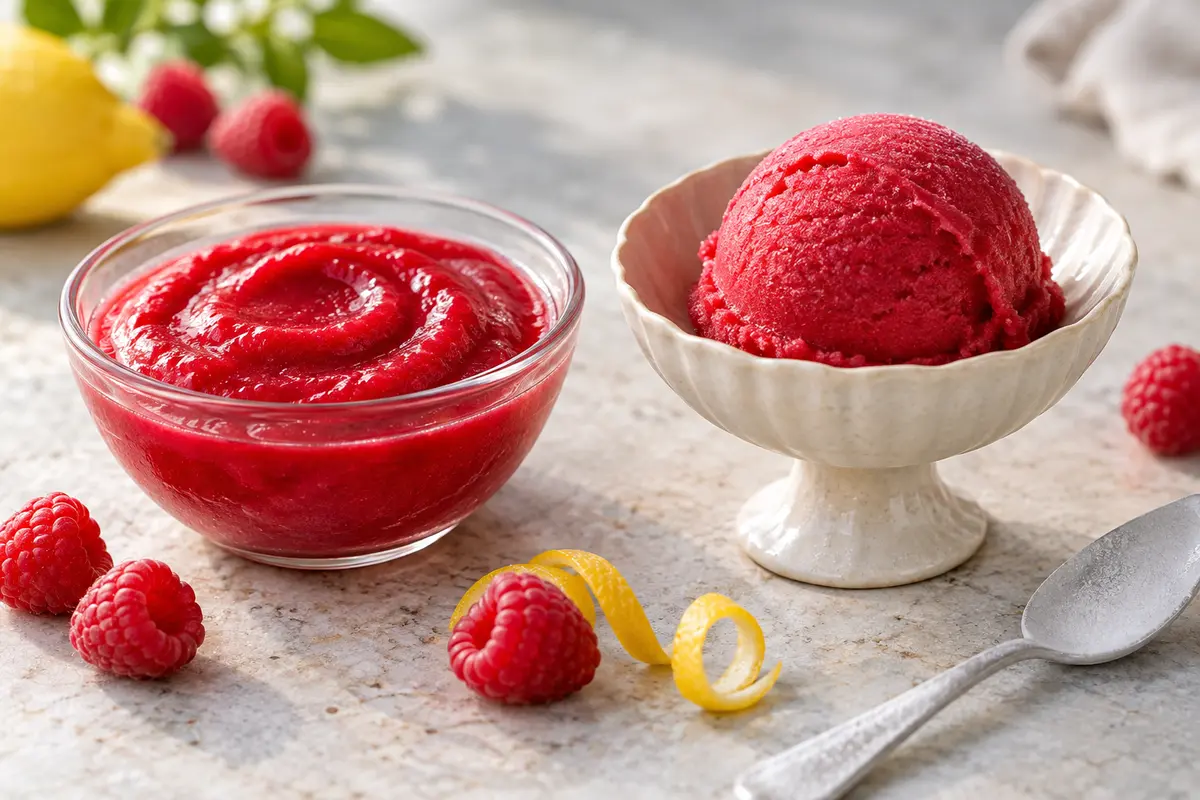
A sorbet base can taste loud and sweet before freezing, then calmer when served cold. Temperature changes taste signalling, while sugar also controls softness, so a chilly taste test is worth the wait.
Taste a spoonful of raspberry sorbet base before it goes into the freezer and you may wonder whether you made syrup by mistake. Taste the finished scoop and the sweetness can seem quieter, the acidity sharper, and the whole flavour more balanced. The recipe did not change in the freezer, but the tasting conditions did.
Temperature can influence the way taste signals begin. In a Nature study, researchers examined TRPM5, an ion channel involved in sweet, bitter and umami signalling. The channel became more active as temperatures rose through a range of about 15 to 35 C. In the mouse experiments, warming also strengthened nerve responses to sweet compounds when TRPM5 was present. This helps explain why the same sweet mixture can register differently as its temperature changes.
That does not mean cold always switches sweetness off. A scientific review of temperature and taste found that results vary with the particular substance, its concentration, the temperature range and even whether researchers warmed the tongue or the sample. People vary too. The kitchen lesson is modest but useful: a warm spoonful is not a perfect preview of a frozen dessert.
Sorbet has an extra complication because sugar is part of the structure, not just the flavour. The University of Guelph Ice Cream Technology e-book explains that dissolved sugars lower the freezing point of a mix. Some water stays unfrozen at serving temperature, helping the dessert remain scoopable instead of becoming a solid block of fruit ice.
That is why cutting a large amount of sugar after one room-temperature taste can solve the wrong problem. The finished sorbet may become less sweet, but it may also freeze harder and feel icier. Different sweeteners also depress the freezing point by different amounts, so a swap can change texture even when the measuring cup looks equally full.
For a better preview, cool the base thoroughly in the refrigerator before making final adjustments. For an even closer test, spread a tablespoon on a chilled metal saucer and freeze it until slushy, then taste it with a cold spoon. You are not trying to duplicate the final texture; you are moving the sample closer to its actual serving temperature.
If that cold sample tastes flat, reach first for small, controlled adjustments. A little citrus juice can sharpen a fruit base, zest can lift its aroma, and a pinch of salt can make flavours easier to notice. Add one thing at a time, stir well and retest cold. If sweetness truly needs changing, adjust gradually so the texture does not get an accidental rewrite.
The same principle applies to vegan ice creams and granitas, although fat, fruit solids, plant-milk proteins and the chosen sweetener add their own effects. There is no universal spoonful that predicts every freezer. The reliable habit is simply to taste the dessert where it plans to live: on the chilly side of the kitchen.
Sources
You may also like these