
Kitchen Equipment
Board Meeting: Is Wood or Plastic Safer for Chopping?
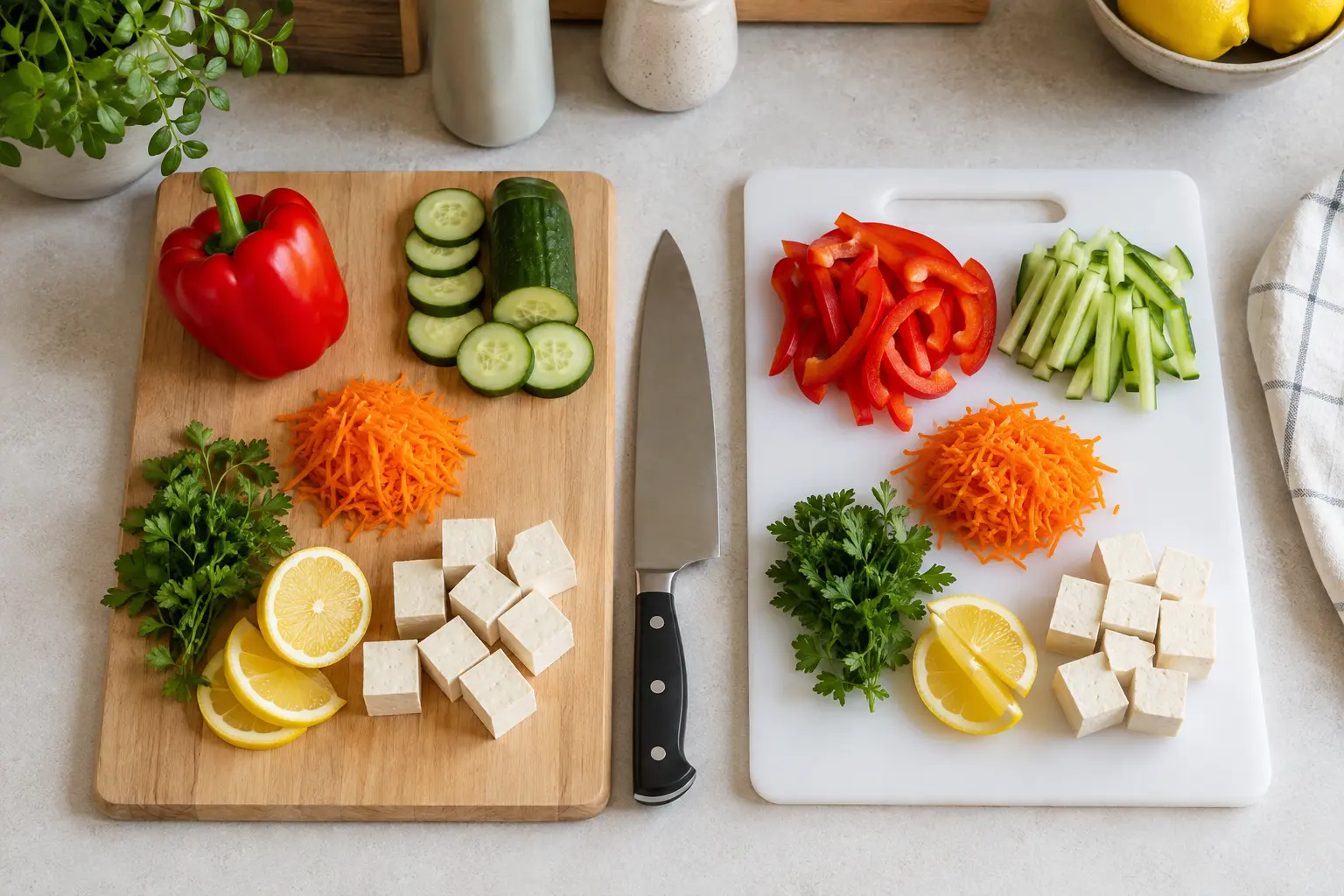
Wood looks porous. Plastic looks washable. Yet decades of cutting-board research refuse to crown a simple winner. The safest board is the one you separate, scrub, dry and retire on time.
A wooden cutting board looks like it should be a tiny bacterial apartment building. A plastic one looks smooth, modern and easy to sanitize. That visual comparison has powered years of kitchen arguments, but the evidence is much less interested in picking a champion than the internet is.
In a well-known laboratory study, researchers placed several food-related bacteria on new and used boards made from nine hardwoods and several plastics. Bacteria were readily recovered from plastic surfaces for minutes or hours and could multiply when the boards stayed damp overnight. On clean wood, liquid moved below the surface quickly and the researchers usually recovered fewer bacteria as time passed. Their conclusion was narrow but useful: the experiment did not support the blanket claim that plastic is automatically more sanitary than wood.
That does not mean every wooden board is self-cleaning. Board species, construction, surface condition, moisture and cleaning method all change the picture. A cracked board that stays wet is not rescued by being made from maple. Nor does a plastic board remain hygienic forever. Deep knife grooves create places that are harder to scrub, which is why official food-safety guidance says heavily worn boards of either material should be replaced.
Other controlled comparisons make the contest even less dramatic. One study found no significant difference in bacterial levels between wood and polyethylene boards under its test conditions. Washing reduced bacteria on both. Another study focused on cleaning found that hot water and detergent generally removed the test bacteria from new and used boards regardless of wood species or plastic type. The practical lesson is not that material never matters. It is that maintenance can matter more than the label on the board.
Separation is the easiest safety upgrade. The U.S. Department of Agriculture recommends keeping one board for fresh produce and bread and another for raw meat, poultry and seafood. In a plant-based kitchen, the same principle is still handy when someone in the household prepares animal products, or when a board has handled an ingredient that will not be cooked before serving. Colour-coding or choosing visibly different boards makes the system easy to remember.
Cleaning should happen promptly. Wash the board with hot, soapy water after use, rinse it and dry it thoroughly. Plastic, acrylic, glass and solid nonporous boards may be dishwasher-safe if their manufacturer says so. Wooden boards should usually be hand-washed because long soaking and dishwasher heat can encourage warping or cracking. Let either kind dry with air reaching both faces instead of leaving it flat in a puddle beside the sink.
When shopping, choose a board that is large enough to keep chopped food away from the edge, stable enough not to skate across the counter and simple enough that you will actually clean it properly. Wood is gentle on knives and can last for years with care. Plastic is light, inexpensive and often dishwasher-friendly. Neither advantage cancels the need to inspect the surface for splits, deep grooves or stubborn stains.
So, wood or plastic? A sound, well-maintained board of either material can earn a place in the kitchen. Keep risky tasks separate, wash promptly, dry completely and replace a board when damage makes cleaning difficult. The safest board is less about winning the material debate and more about giving yesterday’s chopped onion nowhere damp to hold its next meeting.