
Kitchen Science
Hue Knew? Why Red Cabbage Changes Colour
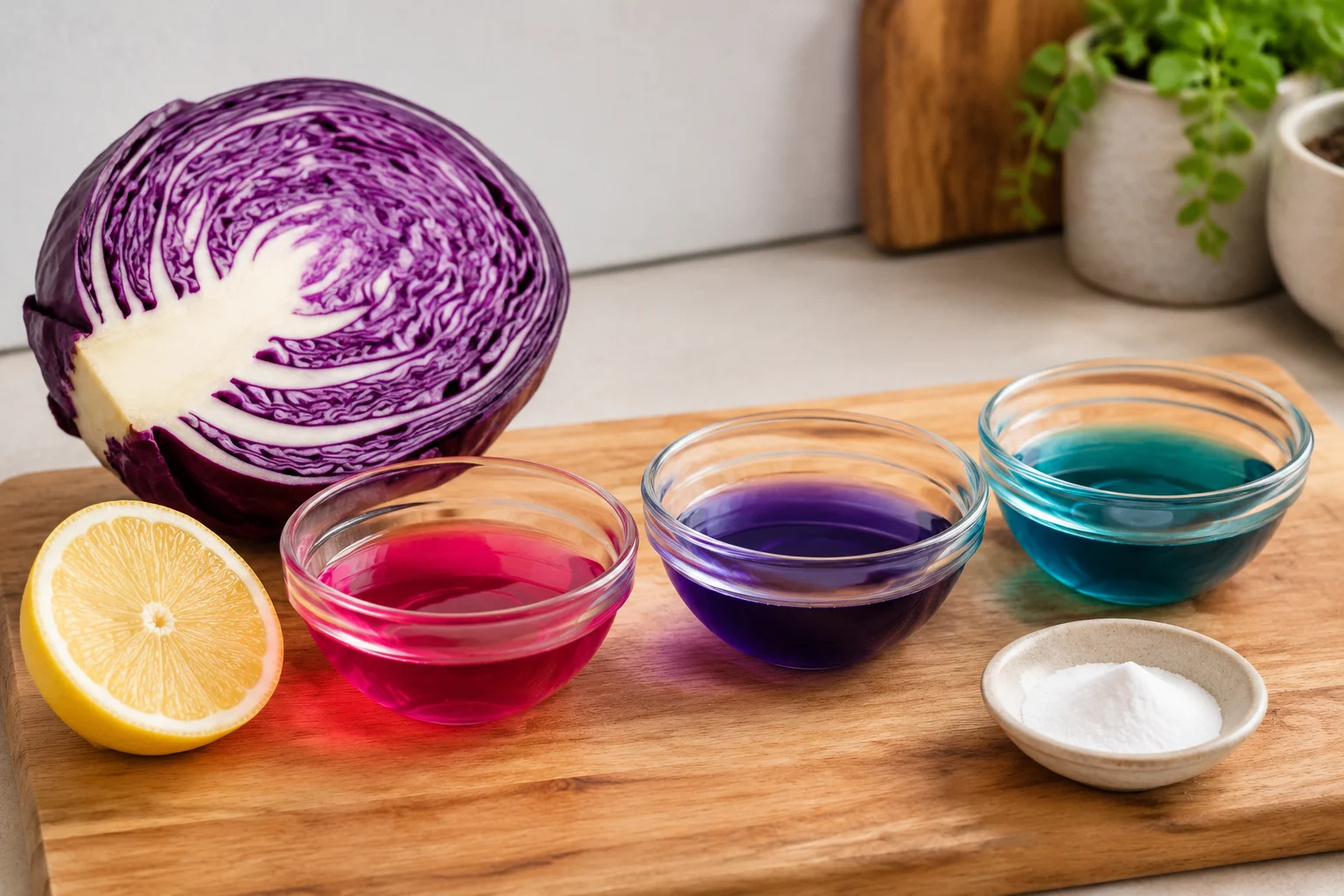
Red cabbage carries pigments that behave like tiny kitchen mood rings, shifting from pink to purple, blue and even green as acidity changes.
Red cabbage may be sold as a vegetable, but it moonlights as a chemistry set. Its purple leaves contain anthocyanins, a family of plant pigments that can change colour when the acidity of their surroundings changes. That makes cabbage juice a natural acid-base indicator, as well as a very dramatic side dish.
The colour shift happens because anthocyanin molecules can take on different structures at different pH levels. In acidic conditions, such as a splash of lemon juice or vinegar, red cabbage pigments move toward pink or red. Near neutral conditions they appear purple or blue. In more alkaline conditions they can turn blue-green, green or yellow. The American Chemical Society uses this reaction in a classroom activity because the change is easy to see with ordinary cabbage extract.
This explains a familiar kitchen trick. Add vinegar to braised red cabbage and its colour becomes brighter and redder. Cook it in plain water and it often stays purple or drifts toward blue, depending on the water and other ingredients. A pinch of baking soda can push the colour toward blue-green, but it can also soften vegetables and leave an unwelcome alkaline taste, so it is a better science demonstration than a seasoning strategy.
Not every cabbage produces exactly the same shade. Food-science research has found that cultivar, maturity and the particular mixture of anthocyanins all influence colour and stability. Light, heat, oxygen and the rest of a recipe can also affect what reaches the plate. In other words, red cabbage can suggest whether conditions are more acidic or basic, but dinner is not a calibrated pH meter.
These pigments are attracting interest beyond colourful slaw. Researchers have studied red-cabbage anthocyanins in pH-sensitive films and sensors that change colour as conditions around packaged food change. That work points toward possible smart-packaging applications, although a promising laboratory material is not the same thing as a finished product on every grocery shelf.
You can watch the basic effect with food-safe ingredients: steep chopped cabbage in hot water, strain the purple liquid, then place small amounts in separate clear cups. Lemon juice should nudge one sample pink, while a little dissolved baking soda can move another toward blue-green. Keep the experiment separate from food preparation, use clean cups, and never mix cabbage indicator with household cleaners or unknown substances.
The next time a red cabbage recipe asks for vinegar, it is doing more than sharpening the flavour. It is also giving those pigments a colour cue. Dinner has entered its magenta era.