Spice Guide
Paprika Face: Sweet, Hot or Smoked?
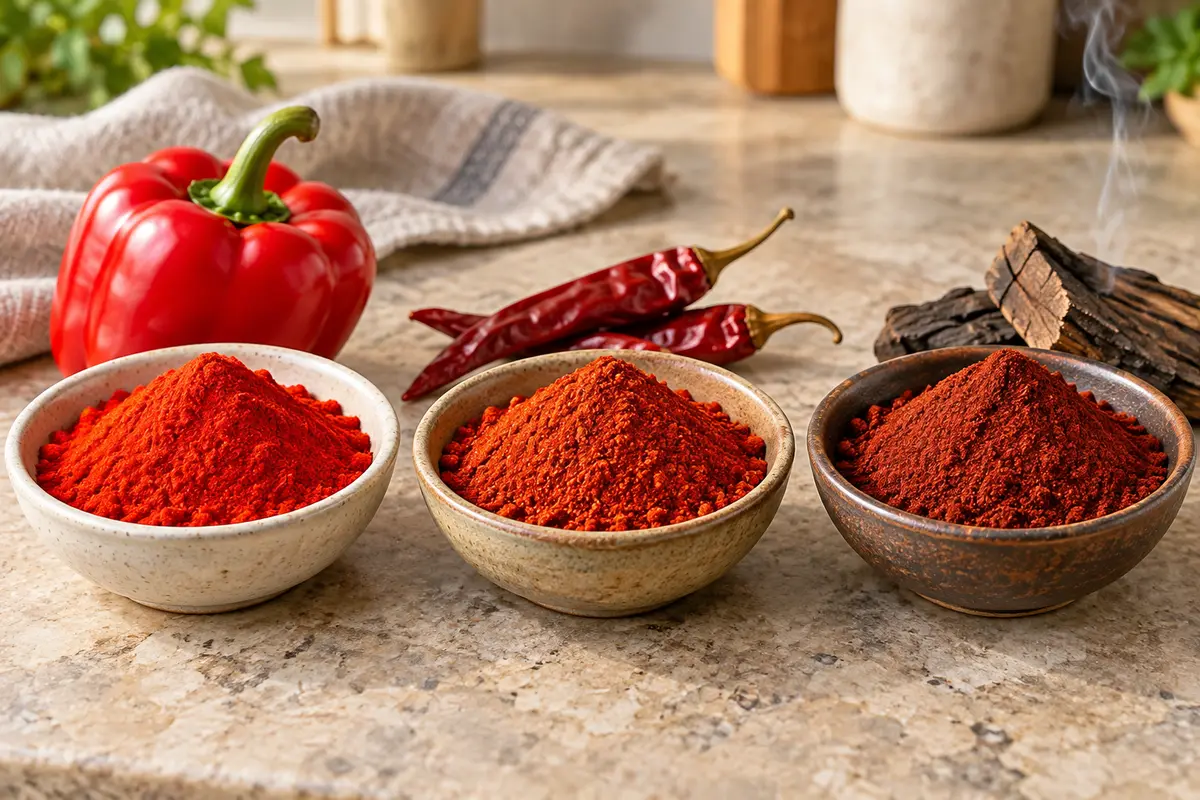
One red powder can mean mild colour, chile heat or woodsmoke. Read paprika through two simple flavour sliders and the right tin becomes much easier to spot.
Paprika can be the quietest jar in the spice cupboard. One recipe uses a teaspoon mostly for colour, another promises campfire depth, and a third delivers enough heat to wake up the whole pan. The powders may all look red, but red is not a complete set of instructions.
At its simplest, paprika is dried, ground red pepper. The U.S. Food and Drug Administration describes it as the red ripe fruit of Capsicum annuum, generally sweet and non-pungent or, when specified, slightly pungent. That broad definition explains why two tins can share a name while behaving very differently at dinner.
The calm way to read the shelf is to imagine two separate sliders: heat and smoke. Heat comes largely from the pepper variety and its pungent compounds. Smoke comes from how the peppers are dried. Moving one slider does not automatically move the other, so smoked paprika is not necessarily hot and sweet paprika is not sweet like sugar.
Start with the heat slider. Illinois Extension groups common retail paprika as sweet, hot or smoked and notes that plain paprika in a recipe usually means the mild, sweet style. New Mexico State University’s Chile Pepper Institute defines paprika as a non-pungent red chile used as a spice or for colour, yet paprika-type cultivars can still have measurable differences in pungency. In other words, a brilliant red powder can be gentle, while a tin clearly marked hot is asking for more caution.
Now move the smoke slider. Smoked paprika is made from peppers dried with smoke before grinding, which adds a deep, woodsy aroma. The protected Pimentón de la Vera tradition makes the two-slider idea especially clear: its own range includes sweet, bittersweet and hot versions, all carrying the region’s characteristic smoky note. Smoke describes the drying character; dulce, agridulce or picante helps describe the heat and flavour direction.
That turns shopping into three quick questions. Does the recipe simply say paprika and mainly need warm colour or mild pepper flavour? Choose sweet or mild paprika. Does it ask for smoky depth? Choose a tin marked smoked or pimentón, then check whether it also says sweet or hot. Does the dish need chile heat without a smoke note? Reach for hot paprika and begin with less than the full amount if the brand is new to you.
The choice changes the personality of familiar vegan food. Sweet paprika can brighten roasted potatoes, white-bean soup or a creamy tofu sauce without taking over. Smoked paprika can give chickpea stew, lentil filling or roasted cauliflower a fire-cooked impression. Hot paprika can sharpen a tofu rub or tomato sauce while keeping paprika’s rounder pepper flavour in the picture.
Package language is more dependable than colour alone. Look for words such as sweet, mild, hot, smoked, dulce, agridulce and picante. A very dark powder may be smoky, deeply processed or simply made from a strongly coloured pepper; the shade by itself cannot promise a heat level. When the front of the tin is poetic rather than precise, the ingredient description is the better detective.
You do not need three jars to cook well. A mild paprika is the most flexible starting point, and smoke or heat can come from another clearly labelled ingredient when needed. But if paprika keeps disappearing into your soups and sheet pans, a mild tin and a smoked tin earn their space by doing genuinely different jobs.
The next time a recipe asks for paprika, do not ask only how red the powder looks. Ask where it sits on the heat slider and the smoke slider. Two small label clues can keep a gentle garnish from becoming a bonfire, or save a smoky supper from tasting unexpectedly shy.
Sources
- https://www.fda.gov/regulatory-information/search-fda-guidance-documents/cpg-sec-525750-spices-definitions
- https://extension.illinois.edu/blogs/simply-nutritious-quick-and-delicious/2020-02-28-sweet-hot-or-smoked-paprika
- https://cpi.nmsu.edu/chile-info/nutrition-and-food-science-pages/chile-terminology.html
- https://pubs.nmsu.edu/_circulars/CR706/index.html
- https://pimentondelavera.com/home/
You may also like these